


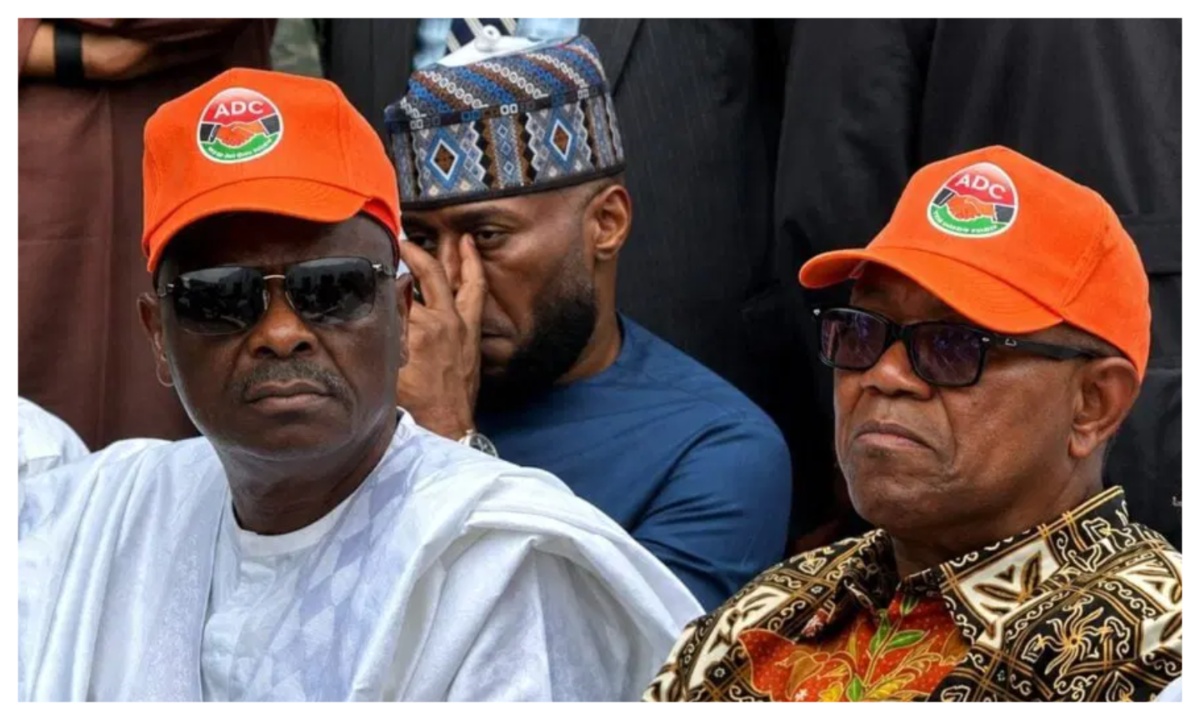
Peter Obi and Rabiu Kwankwaso’s reported move to the NDC has triggered mixed reactions in Northern Nigeria ahead of the 2027 elections
The reported political realignment involving former Labour Party presidential candidate Peter Obi and former Kano State governor Rabiu Musa Kwankwaso on Tuesday, May 5, 2026, has continued to generate intense debate across Northern Nigeria, with opinions sharply divided over its potential impact ahead of the 2027 general elections.
Also read: Adebayo Claims Massive Surge After Obi Joins NDC
The Obi Kwankwaso NDC move has been described by party stakeholders as part of efforts to build a stronger opposition platform, following their formal alignment with the Nigeria Democratic Congress in Abuja.
At the party secretariat, NDC national chairman Cleopas Moses Zuwoghe presented membership cards to both politicians, marking their official entry into the emerging political platform.
Kwankwaso said the decision followed broad consultations with stakeholders, noting what he described as ideological alignment between the new party and their political vision.

Peter Obi, in his remarks, said the NDC was focused on rebuilding Nigeria and restoring public confidence in governance, while urging members to avoid internal disputes and legal battles.
However, reactions in Northern Nigeria have remained mixed, with analysts and residents expressing differing views on whether the alliance could reshape political dynamics or struggle to gain traction.
A spokesperson for the Kwankwasiyya movement, Habeeb Saleh Mohammed, said the decision to join the NDC was influenced by concerns over internal crises and legal disputes in previous political platforms.
He argued that a new and stable platform was necessary to avoid electoral uncertainty, while also suggesting that a joint Obi-Kwankwaso ticket could promote national unity.
Some supporters in Kano expressed optimism, describing Kwankwaso as a leader focused on grassroots interests, while others said the alliance could represent a broader national project beyond regional politics.
In contrast, political commentator Mahdi Shehu criticised the move, describing it as politically risky and suggesting that opposition fragmentation could weaken their chances against the ruling party.
Meanwhile, reactions from northern residents remain divided, with some praising the alliance as a fresh alternative, while others questioned its credibility and long-term strategy.
Also read: Adebayo Claims Massive Surge After Obi Joins NDC
As political activities intensify, analysts say the Obi Kwankwaso NDC move will continue to shape conversations around opposition unity, voter sentiment, and regional dynamics ahead of the 2027 elections.


