


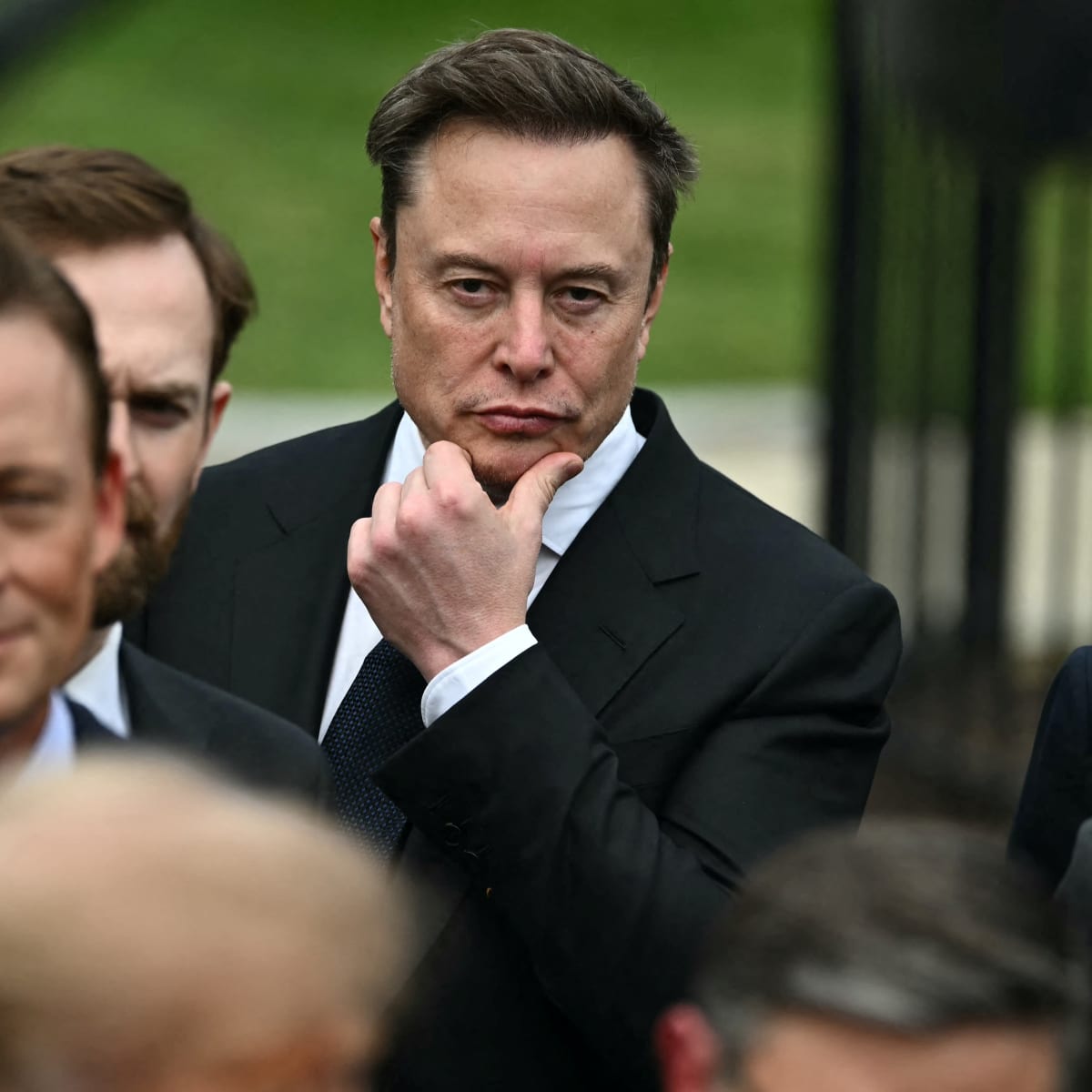
US midterm election donors have contributed over $1.5bn, with Elon Musk leading as tech billionaires and nonprofits back candidates and political causes
Technology billionaires, cryptocurrency companies and nonprofit organisations have channelled more than $1.5 billion into the 2026 United States midterm election cycle, with Elon Musk emerging as the biggest individual contributor, according to an analysis of Federal Election Commission data by Agence France-Presse.
Also read: Presidency Is Not About High Jump, Momodu Tells Makinde
The 15 largest contributors had donated more than $1.5 billion as of October 21, raising expectations that the elections could become the most expensive midterms in US history.
Musk, the world’s richest man and an ally of President Donald Trump, has contributed more than $365 million during the election cycle, including $278 million since July 1.
Campaign finance tracker OpenSecrets identifies the spending as the largest contribution by an individual in a federal election cycle since unlimited election spending became possible in 2010.

“We’re on track to have the most expensive midterm elections in US history,” Michael Beckel, director of money in politics reform at the bipartisan advocacy organisation Issue One, told AFP.
The AFP analysis tracked contributions made since November 6, 2024, grouping certain businesses, executives, business partners and spouses together where relevant.
Five of the 15 biggest contributors are linked to the technology industry, particularly artificial intelligence and cryptocurrency.
Their political spending has supported candidates and super political action committees, or super PACs, that advocate policies favourable to their industries.
Beckel said the donors were directing substantial sums into elections in an effort to elect politicians who would advance their preferred policy positions.
Venture capitalists Marc Andreessen and Benjamin Horowitz have contributed more than $113 million.
Their donations included $50 million to Leading the Future, a pro-AI super PAC, $46.8 million to the cryptocurrency-focused Fairshake and $12 million to MAGA Inc, the super PAC supporting Trump.
Cryptocurrency exchange Coinbase and its chief executive and co-founder, Brian Armstrong, have donated nearly $57 million during the cycle.
Ripple Labs and co-founder Chris Larsen have contributed more than $68 million, with most of the donations from the two companies going to Fairshake.
Cameron and Tyler Winklevoss, prominent figures in the cryptocurrency industry, have also supported MAGA Inc and their own pro-cryptocurrency super PAC.
Musk’s donations have largely gone to America PAC, which is aligned with Republicans, and the Republican Senate Leadership Fund (SLF).
The SLF used $158 million from Musk in September to support Ken Paxton, the Republican Senate candidate in Texas, according to the report.
Nonprofit organisations that do not have to publicly disclose their donors are also among the largest sources of political funding.
Four such groups, commonly described as “dark money” organisations, featured among the top 15 contributors.
These organisations can spend money on political activities without being legally required to reveal the identities of their original funders.
Shanna Ports, senior legal counsel at the Campaign Legal Center, warned that the growth of undisclosed political spending raised concerns about transparency.
“Dark money spending has been increasing year over year, and it is a troubling trend because voters should be able to know who is financing the ads that they see,” she told AFP.
One Nation, a Republican-aligned nonprofit, contributed nearly $138 million to the Senate Leadership Fund.
The American Action Network, another Republican nonprofit, donated more than $64 million to the Congressional Leadership Fund, which supports Republican candidates for the House of Representatives.
Democratic-aligned groups have also channelled substantial sums into congressional campaigns.
House Majority Forward contributed $95 million to the House Majority PAC, while Majority Forward donated $104 million to the Senate Majority PAC.
Both organisations support Democratic candidates seeking election to Congress.
Several long-established political donors have maintained significant contributions during the current election cycle.
Billionaire couple Elizabeth and Richard Uihlein have donated more than $135 million to support Republicans, while Democratic donor George Soros has contributed at least $102 million.
Miriam Adelson, an Israeli-American businesswoman and conservative political donor, has given nearly $67 million to various Republican PACs.
Billionaire investor Jeff Yass has donated $109 million, mostly to Republican groups, while hedge fund manager Paul Singer has contributed more than $52 million, also largely to Republican causes.
Michael Bloomberg, the billionaire businessman and former New York City mayor, has spent $52.6 million during the election cycle, including approximately $30 million in contributions made after September 1.
His team told The New York Times that he planned to spend $80 million during September and October.
The scale of the donations highlights the role wealthy individuals, corporations and outside organisations play in financing US elections.
Super PACs can raise and spend unlimited sums independently to support or oppose candidates, although they are subject to rules governing coordination with campaigns.
Nonprofits that do not disclose their donors create an additional layer of complexity for voters seeking to trace the sources of political advertising.
The figures cover contributions recorded up to October 21 and reflect the AFP analysis’s methodology for grouping related donors.
They do not represent a final total for the entire election cycle.
Also read: Presidency Is Not About High Jump, Momodu Tells Makinde
With major donors continuing to finance groups on both sides, the 2026 midterms are shaping up as a major test of the influence of private money on American political campaigns.


