


Lagos State Assembly 2025 overcame leadership crises, passed key laws, and strengthened governance through budgets, oversight, and community-focused initiatives
The Lagos State House of Assembly demonstrated resilience and legislative impact in 2025, navigating leadership changes, policy milestones, and key oversight responsibilities, correspondent Sam Anokam reports.
Also read: Gbenga Hashim Urges PDP NEC to Resolve Party Crisis Politically
On January 6, 2025, the Assembly approved the N3.367 trillion 2025 Appropriation Bill, allocating N1.295 trillion to recurrent expenditure and N2.071 trillion to capital projects, providing a structured financial roadmap for the state.
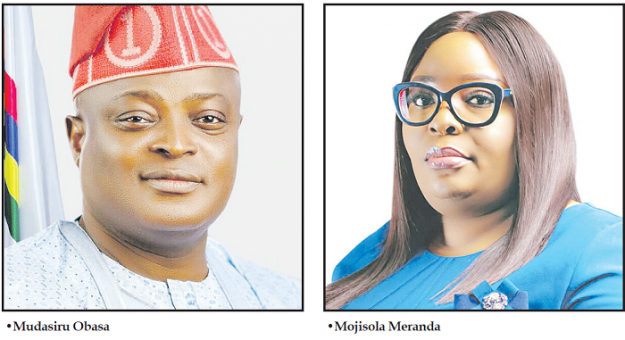
The year’s most significant challenge came in January when Speaker Mudashiru Obasa was removed by 32 lawmakers on January 13 over allegations of misconduct.

His deputy, Mojisola Meranda, became the first female Speaker in the House’s history.
Meranda appointed new principal officers, including Temitope Adewale as Majority Leader and Adedamola Kasunmu as Deputy Majority Leader.
The leadership crisis was resolved after Meranda resigned on March 3, allowing Obasa’s reinstatement on March 4, while Meranda returned as Deputy Speaker.
Intervention by senior All Progressives Congress figures, including former governors Bisi Akande and Olusegun Osoba, helped restore stability.
Despite internal disruptions, lawmakers maintained a productive legislative agenda.
Key achievements included the passage of the Local Government Administration Bill, which consolidated local government laws and aligned state legislation with national reforms.
Governor Babajide Sanwo-Olu signed the bill on May 7, with implementation commencing on August 4.
The Assembly also approved the E-GIS Bill, establishing the Lagos Geographic Information Service to enhance transparency and efficiency in land management.
Complementary measures included equity and inclusion legislation and reforms to strengthen financial autonomy for local councils.
Oversight remained central to the Assembly’s work.
Committees reviewed ministries, departments, and agencies to ensure compliance with budgets and policies. Public petitions were addressed promptly, with committee secretaries required to respond within 48 hours, enhancing accountability and the House’s watchdog role.
In December, new governance rules for local councils were approved, alongside community policing initiatives to improve security and create jobs.
Preparations also began for the 2026 Appropriation Bill, themed “Budget of Shared Prosperity,” targeting poverty reduction and inclusivity.
Notable 2025 milestones included the election of the first female Speaker, the July directive to the Attorney General on Local Government Law implementation, the 10th Constituency Stakeholders Meeting, and celebrations marking Obasa’s decade-long tenure as Speaker.
Also read: PDP factions revive Saraki peace formula amid crisis
The Assembly’s 2025 performance reflected both challenges and resilience, demonstrating its capacity to legislate, oversee government activities, and adapt to internal crises while maintaining a commitment to transparency and service to Lagosians.


