


ADC coalition crisis escalates as Shekarau, Abejide, and Amaechi clash over leadership, party control, and 2027 presidential strategy
ADC coalition crisis is escalating rapidly, with internal divisions threatening to derail any opposition unity ahead of Nigeria’s 2027 general elections.
Also read: Leke Abejide Slams ADC Leadership Crisis in Bold Court Move
What began as a hopeful coalition among opposition figures under the African Democratic Congress (ADC) is now riddled with factional disputes, leadership accusations, and conflicting political ambitions.
At the heart of the tension is growing frustration from Senator Ibrahim Shekarau, Leke Abejide, and Rotimi Amaechi, who have openly voiced sharp disagreements over the direction, legitimacy, and tactics of the coalition.

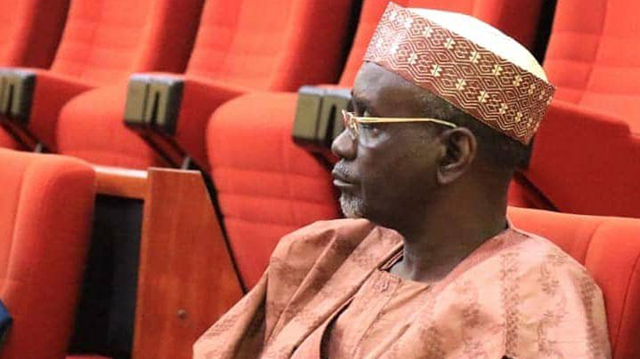
Senator Ibrahim Shekarau has expressed deep reservations about the structure of the current ADC coalition, warning that any alliance based on individuals, not established parties, is doomed to fail.
While clarifying that he believes President Tinubu can be defeated in 2027, Shekarau emphasized that victory would only be possible through a disciplined, multi-party merger, similar to the successful APC formation in 2015.
“A coalition of desperate individuals will not work,” he declared.
Sources indicate that Shekarau is considering reviving the People’s Redemption Party (PRP), a move that signals possible departure from the ADC initiative.
Leke Abejide, ADC’s only National Assembly member and National Leader, described the coalition planners as “daydreamers” and “meddlesome interlopers” lacking electoral value.
Furious at the party’s interim executive, Abejide accused the national chairman of treachery, alleging that the coalition attempted to hijack the party without following constitutional procedures.
“Their ambition is dead on arrival,” he said, warning that there was no vacancy in the ADC for self-serving politicians.
Former Transport Minister Rotimi Amaechi, though aligned with the ADC coalition, has insisted he will only back a candidate who emerges through a free and fair primary.
During a live session on X, Amaechi asserted that if he secures the ticket, he has the political knowledge and firepower to defeat President Tinubu in 2027.
“I know his strengths and weaknesses. If I get the ADC ticket, I will beat him,” he claimed.
He also denied ever participating in election rigging, daring anyone to provide evidence against him.
Amid speculation, former SGF Boss Mustapha publicly distanced himself from any opposition alliance, affirming his commitment to the ruling APC.
Similarly, former Ekiti Governor Kayode Fayemi has denied involvement in the ADC project, with his media office calling recent reports “fabricated.”
Fayemi remains in the APC and has endorsed Governor Oyebanji’s re-election.
Meanwhile, Ohanaeze Ndigbo has advised any Igbo presidential hopeful to pause ambitions until major electoral reforms are enacted.
Citing INEC’s structural weaknesses, the group warned that participating in a flawed electoral process could undermine Igbo political and economic interests, particularly in key cities like Lagos.
The ADC coalition crisis signals a turbulent path ahead for opposition forces.
With internal divisions, power struggles, and unclear strategies, the dream of a united front to challenge APC in 2027 is looking increasingly fragile.
Also read: ADC Leadership Crisis Deepens as INEC Refuses to Recognize David Mark-led Committee
Unless consensus and structure replace ambition and infighting, the ADC may struggle to remain a relevant platform in the political conversation.


