


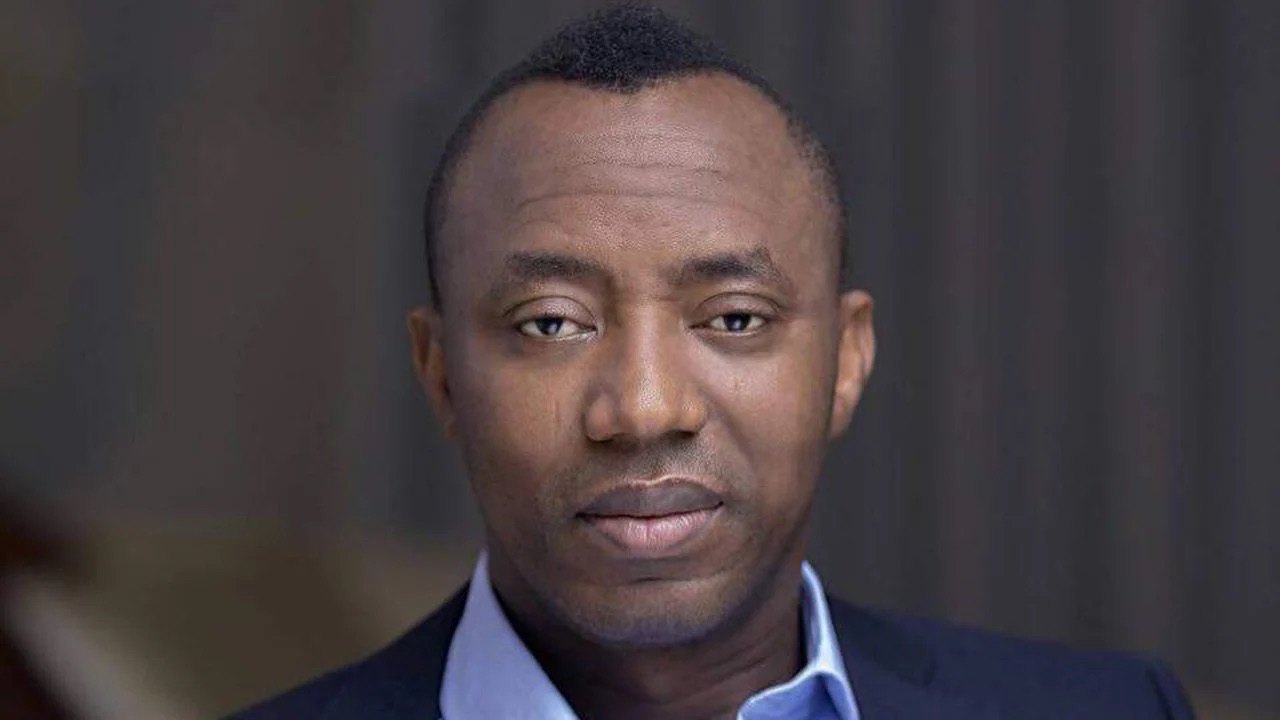
Omoyele Sowore demands a N500,000 INEC staff wage, saying better pay is vital to electoral integrity ahead of Nigeria’s 2027 elections
Omoyele Sowore, presidential candidate of the African Action Congress, has called for a minimum wage of N500,000 for Independent National Electoral Commission staff, arguing on Tuesday, October 6, 2026, that better remuneration is essential to protecting the credibility of Nigeria’s elections.
Also read: Wike, Fubara Hold Fresh Rivers Peace Meeting
His demand came hours after INEC Chairman Professor Joash Amupitan said the commission’s workers were the least paid in Nigeria.
Sowore made the demand in a post on his verified X account, where he connected the welfare of electoral personnel with the integrity of the electoral process ahead of the 2027 general elections.
“No decent wages, no credible elections,” Sowore declared, setting out his position that workers responsible for administering elections should receive what he described as a living wage.

The AAC candidate said INEC personnel should not be expected to safeguard the integrity of elections while working under what he considers inadequate financial conditions.
“INEC staff deserve a minimum wage of N500,000,” Sowore said. He added that electoral integrity should begin with decent working conditions and adequate pay for the people entrusted with administering elections.
Sowore’s intervention followed comments by Amupitan during a press conference and national stakeholders’ meeting in Abuja on Tuesday.
The INEC chairman said the commission had taken steps to improve staff welfare, arguing that better remuneration would also strengthen accountability within the organisation.
“INEC staff are the least paid in Nigeria,” Amupitan said. “So we felt that if we want to demand and hold our staff responsible, we should give them a living wage.”
Amupitan disclosed that INEC had moved away from the civil service payment structure and was adopting a separate electoral and salary structure for its personnel.
“We are not called civil servants,” he said, explaining that INEC had previously been placed under the civil service payment system despite its distinct electoral responsibilities.
The new arrangement, according to the chairman, is intended to give the commission a separate salary structure.
The change comes as INEC prepares for one of the most consequential stages of Nigeria’s electoral cycle.
The commission has scheduled the presidential and National Assembly elections for January 16, 2027, followed by governorship and State House of Assembly elections on February 6, 2027.
INEC’s preparation has included efforts to address administrative and institutional gaps ahead of the polls.
The commission has also identified the integrity of the voters’ register, electoral logistics and result management among the issues requiring continued attention as preparations advance.
The question of staff remuneration has added another layer to those preparations.
The Revenue Mobilisation Allocation and Fiscal Commission said in July that it was working with INEC on funding and staff welfare ahead of the 2027 elections and had received communication concerning President Bola Ahmed Tinubu’s directives on the remuneration package for INEC personnel.
For Sowore, however, the issue extends beyond salaries. He argued that electoral workers should be able to organise and press for improved working conditions, including through lawful industrial action.
He further warned that he would join electoral workers in boycotting the 2027 elections if their conditions remained poor.
“If these workers continue to be treated with contempt, I will join them in boycotting the 2027 elections,” he said, while also asserting that the workers had the right to organise and seek better conditions through lawful means.
The statement introduces a political dimension to an issue that INEC itself has presented primarily as an institutional and welfare concern.
Sowore is contesting the 2027 presidential election on the AAC platform, meaning his proposed boycott would represent a political position rather than a decision by INEC staff or the commission itself.
There is also a distinction between Sowore’s proposed N500,000 figure and INEC’s current reforms.
Amupitan did not announce a N500,000 minimum wage for commission employees.
His statement focused instead on moving the commission towards a separate salary structure and improving welfare.
The debate arrives at a sensitive moment for Nigeria’s electoral system.
INEC’s constitutional responsibility is to organise and conduct elections, while the credibility of the process depends on several factors beyond staff remuneration, including the voters’ register, logistics, technology, security, political-party conduct and public confidence.
Amupitan has previously described electoral credibility as a broader institutional challenge.
INEC’s preparations for 2027 include efforts to strengthen the voters’ register and address concerns around duplicate registrations, deceased voters, non-citizen registration and incomplete or inaccurate records.
The commission’s timetable means there is now a defined window for addressing these concerns before Nigerians return to the polls.
With the first major voting day scheduled for January 16, the debate over the welfare of those administering the elections is likely to remain part of the wider conversation about institutional readiness.
Sowore’s intervention has consequently placed a specific figure, N500,000, at the centre of that debate, while Amupitan’s remarks suggest that INEC is already pursuing a structural response to staff remuneration.
Whether the proposed wage level will become part of the commission’s eventual remuneration framework remains a matter for the relevant authorities.
Also read: Wike, Fubara Hold Fresh Rivers Peace Meeting
For now, the exchange highlights a fundamental question facing Nigeria ahead of 2027: how to strengthen the institution responsible for administering elections while ensuring that its personnel are adequately supported and held accountable.


