


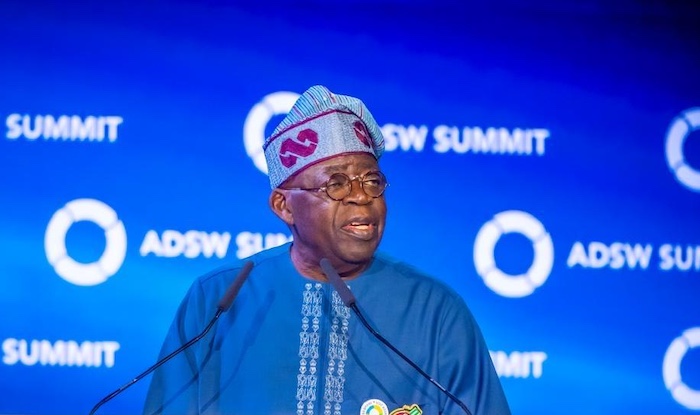
Tinubu economic reforms fuel stronger reserves, tax growth and a rising trade surplus, signalling resilience in Nigeria’s diversifying economy
Tinubu economic reforms are beginning to show measurable results, with Nigeria posting improvements in foreign reserves, tax revenue, and trade performance, according to President Bola Tinubu’s Independence Day address.
Also read: Tinubu Economic Foundation Lauded as Sat Guru Maharaj Ji Urges National Support
In his speech marking Nigeria’s 65th anniversary, the President cited a rise in foreign reserves to $42.03 billion as of September 2025—the highest level since 2019.
“We have a stronger foreign reserve position than three years ago,” he noted, framing the gain as proof of economic resilience.

Tinubu emphasised that ongoing fiscal changes were also paying off. Nigeria’s tax-to-GDP ratio has increased to 13.5 per cent, up from less than 10 per cent in previous years. A new tax law set to take effect in January is expected to push the figure higher, though Tinubu stressed the reforms were designed to broaden the tax base, not to burden current taxpayers.
On trade, the President announced that Nigeria is now a net exporter for the fifth consecutive quarter, reflecting what he called a “fundamental shift” in the structure of the economy.
“Nigeria’s trade surplus rose by 44.3 per cent in Q2 2025, reaching ₦7.46 trillion,” Tinubu said.
He added that manufactured exports had surged by 173 per cent, and non-oil exports now account for 48 per cent of the country’s trade.
This compares with 52 per cent from oil—a stark contrast to Nigeria’s historic dependence on petroleum.
“These figures show that we are diversifying our economy and foreign exchange sources beyond oil and gas,” he said.
The gains come after a difficult few years that saw reserves fall by $3.43 billion in 2022 due to low oil output, capital flight and mounting external obligations.
Despite the challenges, Tinubu economic reforms are increasingly seen by analysts as delivering tangible progress.
The reforms have not been without criticism, especially the removal of fuel subsidies, but Tinubu maintains the policies were “tough but necessary” to ensure long-term economic stability.
Also read: Adewole Adebayo Hails Tinubu’s Economic Stabilisation
As Nigeria looks ahead, government officials say the focus will remain on broadening revenue sources, supporting local industry, and reinforcing investor confidence.


