


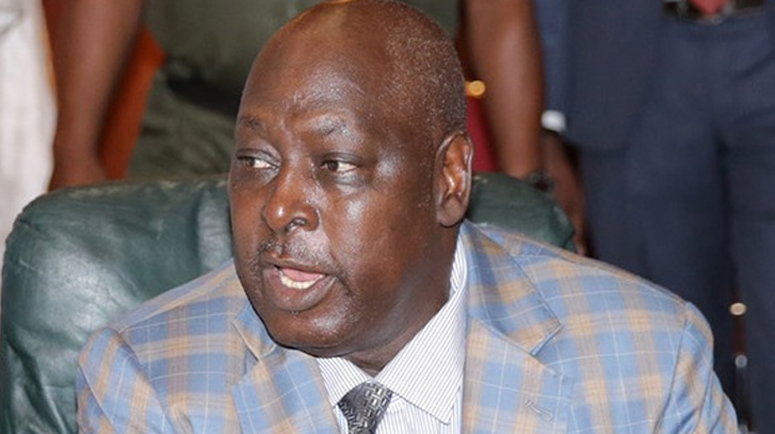
ADC Primary Integrity Defence as Shaibu insists Atiku Abubakar won fairly, dismissing Babachir Lawal’s allegations of rigging
Special Assistant to the African Democratic Congress, African Democratic Congress presidential candidate Atiku Abubakar on Public Communication, Phrank Shaibu, has strongly defended the credibility of the party’s presidential primary election, insisting it was conducted fairly and without manipulation.
Also read: ADC Local Government Chairmen Demand Respect for Lagos Primary Outcome
Claim over ADC primary integrity, where Shaibu dismissed allegations of rigging raised by former Secretary to the Government of the Federation, Babachir Lawal.
Shaibu argued that claims suggesting the primary election was fraudulent were unfounded, stressing that the burden of proof lies with those making the accusations.

He maintained that former Vice President Atiku Abubakar emerged as the most popular candidate among delegates, noting that his victory reflected the outcome of a competitive but transparent process involving other aspirants, including former Rivers State Governor Rotimi Amaechi and Mohammed Hayatu-Deen.
“Anybody who claims rigging or irregularity in the last election should check the places and locations they won,” Shaibu said. “It was not a fraudulent process.”
ADC primary fairness defence claim was further reinforced by Shaibu’s assertion that voting patterns across different states reflected genuine delegate preferences rather than manipulation.
He also criticised Babachir Lawal’s reaction to the outcome, comparing it to frustration over a lost political opportunity, while insisting that internal party democracy was respected throughout the process.
Shaibu noted that Lawal had previously expressed support for another candidate, suggesting that his objections were politically motivated rather than evidence-based.
Also read: FCT Minister Wike Questions Credibility of ADC and NDC
The remarks add to ongoing debate within opposition circles over the conduct and transparency of recent party primaries, as political actors position themselves ahead of the 2027 general election cycle.


