


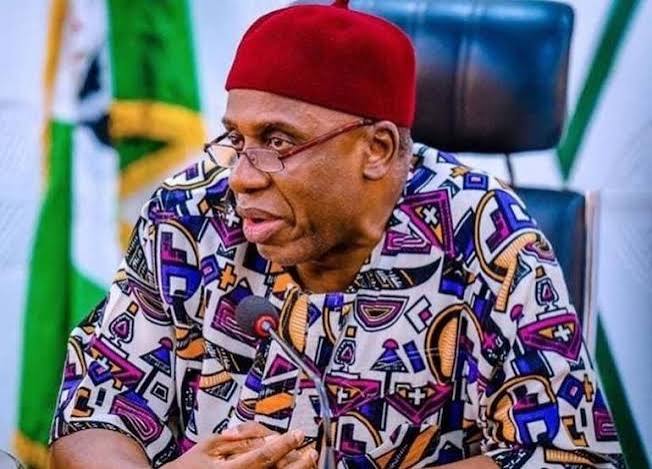
Rotimi Amaechi raises concerns over the ADC court ruling, invokes MKO Abiola’s ordeal and questions the handling of Atiku Abubakar’s candidacy case
Former Rivers State Governor and African Democratic Congress (ADC) vice-presidential candidate, Rotimi Amaechi, on Tuesday, November 10, 2026, in Abuja, criticised the judiciary over a Federal High Court ruling that invalidated the party’s leadership and the process that produced former Vice-President Atiku Abubakar as its presidential candidate for the 2027 general election, drawing comparisons with the annulment of the June 12, 1993 presidential election won by the late Moshood Kashimawo Olawale Abiola.
Amaechi expressed concern that judicial decisions could undermine opposition political movements whenever they begin making significant progress, warning that Nigeria must avoid repeating the political history that followed the annulment of the 1993 election.
Also read:APC to ADC: Tackle Your Party’s Crisis
Speaking during an interview on Channels Television’s _Sunrise Daily_, the former Minister of Transportation questioned what he described as recurring judicial interference in opposition politics.
He argued that the country’s democratic interests should take priority over political considerations, recalling how the annulment of Abiola’s presidential victory triggered a prolonged political crisis.

“One thing that one should be careful about is that every time you have the opposition making any progress in Nigerian politics, there’s always somebody in the judiciary who would want to know the order.
“It happened to Abiola, which led to the death of Abiola. It’s happening again. None of them cares to know that the interest of the country is important,” Amaechi said.
The ADC chieftain’s remarks followed the November 5 judgment delivered by Justice Peter Lifu of the Federal High Court in Abuja, which declared the caretaker leadership led by former Senate President David Mark illegal and invalidated decisions taken under its authority.
The judgment also affected the process that produced Atiku as the ADC’s presidential flag bearer, alongside other nominations made by the party for the 2027 general elections.
The case was instituted by Nafiu Bala Gombe, a former ADC Deputy National Chairman for the North-East, who challenged the process through which Mark and other members of the caretaker committee assumed leadership of the party.
Justice Lifu ruled in favour of Gombe, directing the Independent National Electoral Commission not to recognise decisions taken at the party’s disputed 99th National Executive Committee meeting of July 27, 2025.
Reacting to the decision, Amaechi clarified that the ADC was not opposed to judicial intervention or the administration of justice. Rather, he insisted that judges must demonstrate impartiality and ensure that their decisions are guided by the law.
“We’re not saying don’t do justice. But we’re saying in doing justice, make sure that it’s justice. Don’t pretend to be a member of the other party,” he added.
The former Rivers governor also expressed confidence that the decision would be challenged successfully at the Court of Appeal, maintaining that the existence of appellate courts provides an opportunity to correct errors made by lower courts.
“We’re going on appeal. We think that the Court of Appeal, like all judges of the court of first instance, would naturally tell you that the reason why they are allowed to make mistakes is that there is always a superior court above them.
“Whether Lifu is right or wrong, we’ll know when we go to the Court of Appeal,” Amaechi stated.
He also questioned the approach adopted by the trial court, arguing that the issue of jurisdiction should have been determined before the substantive arguments in the case were considered.
Amaechi described jurisdiction as the foundation of any judicial proceeding, expressing surprise that the court proceeded to hear other aspects of the dispute before resolving the preliminary question.
His criticism comes amid growing uncertainty within the ADC over the implications of the judgment for its participation in the 2027 elections.
The party has rejected the ruling and announced plans to pursue legal remedies. It has also raised concerns over the delay in obtaining the certified true copy of the judgment, arguing that access to the official document is necessary for its lawyers to understand the precise orders and prepare their legal response.
The APC, however, has denied allegations of political interference, maintaining that the dispute arose from internal disagreements within the opposition party.
Amaechi’s reference to Abiola also brings renewed attention to one of the most consequential episodes in Nigeria’s political history.
Abiola, the Social Democratic Party presidential candidate, was widely recognised as the winner of the June 12, 1993 election, which was annulled by the military government of General Ibrahim Babangida on June 23, 1993.
The decision triggered nationwide protests and a prolonged struggle for the restoration of democratic government. Abiola subsequently declared himself president and was detained under the regime of General Sani Abacha in 1994. He died in detention on July 7, 1998.
Nigeria returned to civilian democratic rule in 1999, but disputes over electoral processes, political party leadership and judicial decisions have continued to generate debate about the strength of the country’s democratic institutions.
For the ADC, the immediate priority remains securing a favourable outcome through the appellate process while keeping its political structure and supporters together.
Amaechi urged party members and supporters not to allow the judgment to derail their activities, expressing confidence that the opposition party would eventually overcome the legal challenge.
Also read:APC to ADC: Tackle Your Party’s Crisis
He maintained that the interest of Nigeria’s democracy must remain paramount as political parties and the judiciary navigate the dispute ahead of the 2027 general election.


