


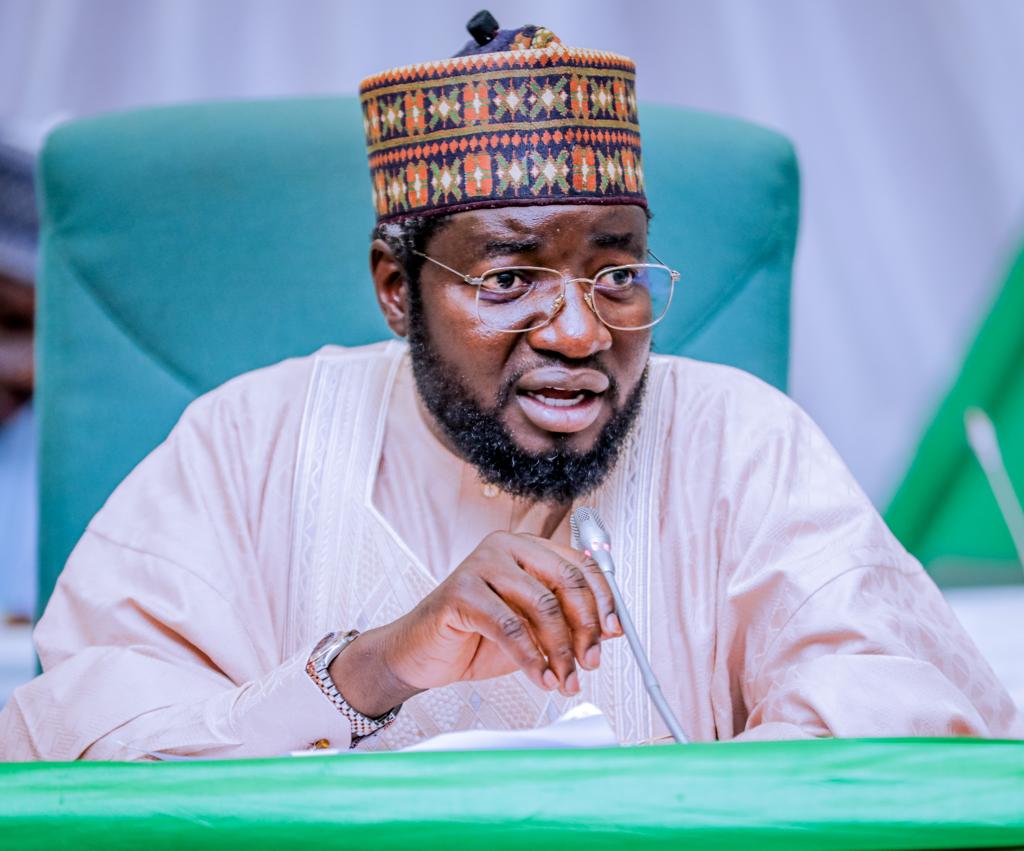
APC lawmaker says opposition figures lack structure to unseat President Tinubu
Hon. Yusuf Adamu Gagdi, Chairman of the House of Representatives Committee on Navy, has on Tuesday, 1 July 2026, in Abuja, Nigeria, made a firm and politically charged assessment of Nigeria’s evolving 2027 presidential landscape, asserting that former Vice President Atiku Abubakar and former Labour Party presidential candidate Peter Obi lack the organisational strength to unseat President Bola Tinubu.
Also read: 2027: Peter Obi Unveils Reform Plan, Says His Presidency Will Drive National Renewal
Hon. Yusuf Adamu Gagdi delivered the comments during an appearance on Channels Television’s Politics Today, where he analysed early political positioning ahead of the 2027 general elections.
The remarks come amid intensifying political activity across major parties, with informal alliances and renewed mobilisation already shaping national discourse.
Gagdi’s statement placed him at the centre of a renewed debate over opposition readiness, as he argued that the All Progressives Congress remains strategically ahead in national coordination and electoral groundwork.

“I have never, in my political imagination, thought that my party APC will lose election,” Hon. Yusuf Adamu Gagdi said during the interview.
He further questioned the preparedness of opposition leaders, insisting that neither Atiku Abubakar nor Peter Obi had demonstrated credible structures capable of challenging the ruling party’s nationwide reach.
“What are the opposition doing? What are the opposition planning or doing? I have not seen any effort being put in place by them to unseat or defeat the President come 2027,” Gagdi said, adding that APC activities across Nigeria were “far more organised and consistent.”
The APC lawmaker also claimed that the ruling party’s mobilisation efforts were significantly stronger than those of opposition blocs, noting sustained engagement across multiple geopolitical zones.
“You have seen APC’s activities in the last one year across Nigeria… it is ten times the political activities of any opposition political party,” he stated.
In what observers describe as a politically sharp intervention, Gagdi also referenced past electoral outcomes in his constituency, arguing that Peter Obi had not previously made significant electoral gains in parts of Plateau State.
“Peter Obi, I was in the state assembly in 2015, I was in the National Assembly from 2019 to 2023. He did not win election in Pankshin, Kanke and Kanam,” he said.
He maintained that his 2023 electoral victory, which he said was secured with a margin of 31,000 votes, reflected his understanding of grassroots political dynamics rather than national sentiment alone.
Beyond electoral comparisons, Gagdi also criticised what he described as a tendency among opposition figures to focus on criticism rather than policy-driven alternatives, particularly in addressing insecurity and governance challenges.
“Instead of lamenting and proffering solutions, you lament and tie it to the fact that government is defective in solving that problem just to achieve some political gain,” he said.
The comments arrive at a time of heightened political calculation across Nigeria’s major parties, as early positioning for 2027 continues to intensify.
Analysts note that while opposition leaders such as Atiku Abubakar and Peter Obi remain central figures in national politics, the structure-versus-popularity debate is likely to shape narratives in the months ahead.
Political observers also highlight that similar claims and counterclaims have become a recurring feature of Nigeria’s pre-election cycles, often reflecting broader tensions between incumbency advantage and opposition mobilisation.
Also read: 2027: Peter Obi Unveils Reform Plan, Says His Presidency Will Drive National Renewal
The latest remarks by Hon. Yusuf Adamu Gagdi add fresh momentum to that debate, underscoring both the confidence within the APC and the unresolved questions facing opposition forces as the 2027 race gradually takes shape.


