


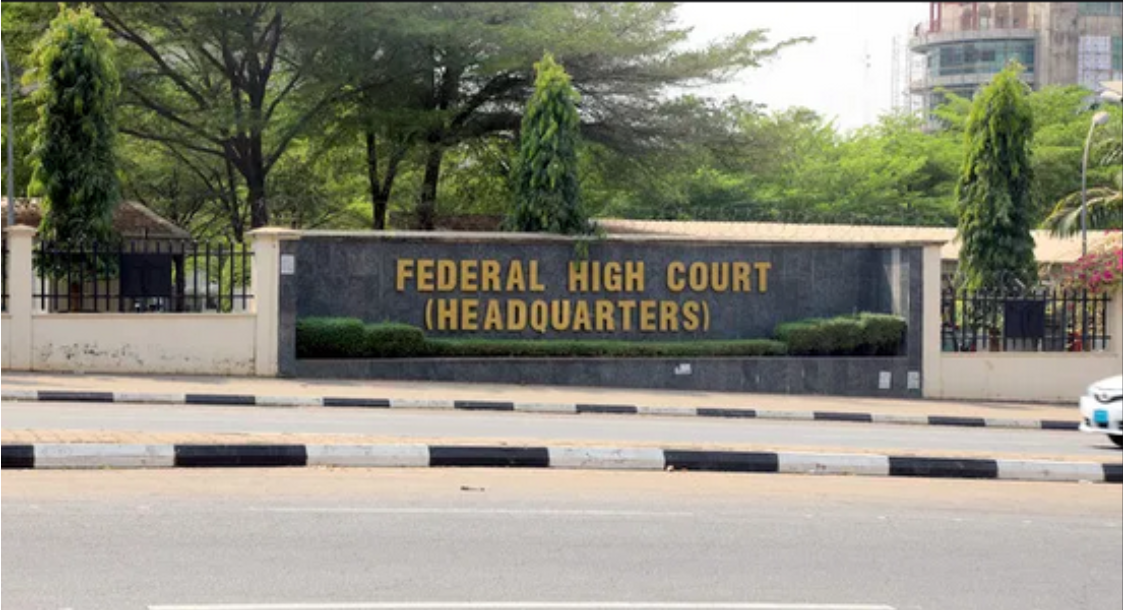
The Federal High Court has issued new Pre-Election Practice Directions 2026 to ensure fair, impartial and expeditious resolution of cases ahead of the 2027 general elections in Nigeria
Chief Judge of the Federal High Court Justice John Terhemba Tsoho issued the Federal High Court (Pre-Election) Practice Directions, 2026 on Tuesday 30 June 2026 in Abuja, aiming for the fair, impartial and expeditious determination of pre-election disputes across Nigeria.
Also read: Kwankwasiyya Vows Unstoppable 2027 Victory Despite NDC Setback
Justice Tsoho exercised powers under Sections 254, 285 (9), (10) and (14) of the 1999 Constitution as amended, Sections 29 (5) and 88 (2) of the Electoral Act 2026, and all other enabling laws.
The court’s Director of Information, Dr Catherine-Oby Christopher, announced the development in a statement.
The new directions repeal the 2022 version and seek to focus parties on genuine issues, minimise time on interlocutory applications, encourage amicable settlements where possible, and reduce undue adjournments.

They align with constitutional and electoral provisions while applying the Federal High Court (Civil Procedure) Rules 2019 for any gaps.
Key provisions include commencing pre-election matters by Originating Summons, with witnesses and documents required where fraud or forgery is alleged.
Registries in all judicial divisions will open on Saturdays, Sundays and public holidays between 10am and 2pm exclusively for filing such cases.
Electronic communication and virtual hearings are encouraged to speed up processes.
Courts must set matters for hearing within seven days of completed exchanges and accord them priority until judgment.
Parties receive a maximum of two adjournments, and absent parties’ addresses may be deemed adopted if properly notified. A party challenging a primary election must join all relevant respondents.
This reform comes at a critical moment as political activities intensify for the 2027 elections.
On Monday, the Nigeria Democratic Congress announced it had uploaded the name of its presidential candidate Peter Obi to the INEC portal while filing an appeal and stay of execution against a court judgment nullifying the party’s registration.
Senator Seriake Dickson, NDC National Leader, confirmed the party’s continued engagement with INEC processes.
The Kwankwasiyya Movement, linked to Senator Rabiu Musa Kwankwaso, responded firmly on Tuesday, declaring that no judicial setback or political intimidation would stop its commitment to the NDC platform and broader democratic renewal.
Separately, Rotimi Amaechi, presidential running mate of the African Democratic Congress, warned politicians against stealing result sheets at polling units, highlighting risks to INEC ad-hoc staff.
Legal practitioners and observers view the new Practice Directions as a timely effort to enhance judicial efficiency and public confidence in the electoral dispute resolution process.
The directions emphasise that pre-election cases, being time-sensitive, require swift and transparent handling to support a credible democratic process.
Analysts note that clearer rules on joinder, evidence and timelines could reduce prolonged litigation that has historically affected Nigeria’s electoral preparations.
Also read: Kwankwasiyya Vows Unstoppable 2027 Victory Despite NDC Setback
The judiciary and INEC now face expectations to uphold these standards as nomination deadlines approach.


