


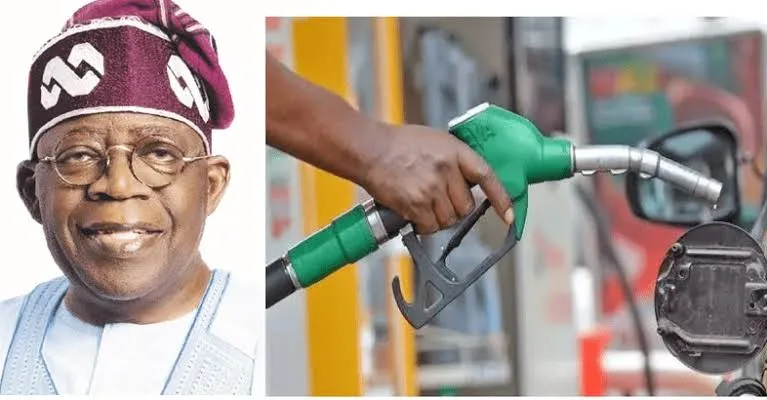
The Presidency says the proposed 30-day fuel discount at NNPCL outlets is not a subsidy, as Bayo Onanuga explains who bears the cost
The Presidency has defended the Federal Government’s proposed 30-day fuel discount at Nigerian National Petroleum Company Limited (NNPCL) outlets, insisting that the initiative does not amount to a return to petrol subsidy.
Also read: Isaac Fayose Urges Nigerians to Vote Tinubu Out in 2027
Bayo Onanuga, Special Adviser to President Bola Tinubu on Information and Strategy, made the clarification in a statement shared on his official X account on Friday, October 9, 2026, amid public debate over the fuel price reduction.
In the statement, titled “Margin Discount and a Subsidy Are Not the Same”, Onanuga explained that a fuel margin discount involves a retailer reducing or temporarily waiving its profit margin to lower the price paid by consumers.
He argued that the distinction lies in who bears the cost of the reduction, maintaining that a margin discount is funded by the retailer, while a subsidy involves government spending.

Onanuga said fuel marketers typically add a margin to the price at which they purchase petroleum products before selling them to consumers.
Under a margin discount arrangement, he explained, a retailer may choose to accept a smaller profit or temporarily forgo its margin, passing the savings on to customers.
“The cost of the discount is borne by the retailer alone,” he said.
He contrasted the arrangement with a government subsidy, under which public funds are used to cover part of the price consumers would otherwise pay.
According to the presidential aide, such spending draws on public revenue that could otherwise be allocated to services and infrastructure, including salaries, schools and hospitals.
Addressing the controversy surrounding the proposed discount, Onanuga maintained that the Tinubu administration had ended the previous petrol subsidy regime in 2023 and had no plans to restore it.
“That is the regime this administration ended in 2023, and it is not coming back,” he said.
He also urged the African Democratic Congress (ADC) and the National Democratic Congress (NDC) to reconsider their positions on the issue, arguing that a retailer-funded discount should not be equated with government-funded fuel support.
The proposed 30-day discount at NNPCL outlets has prompted debate over whether the measure represents a form of relief for motorists or a shift in the government’s approach to fuel pricing.
While the Presidency maintains that the arrangement differs fundamentally from a subsidy, the practical impact on consumers will depend on the discount offered, the outlets participating and the prices charged during the period.
Also read: Isaac Fayose Urges Nigerians to Vote Tinubu Out in 2027
The government’s explanation centres on the source of funding: whether the price reduction comes from a retailer’s profit margin or from public funds used to cover part of the cost of fuel.


