


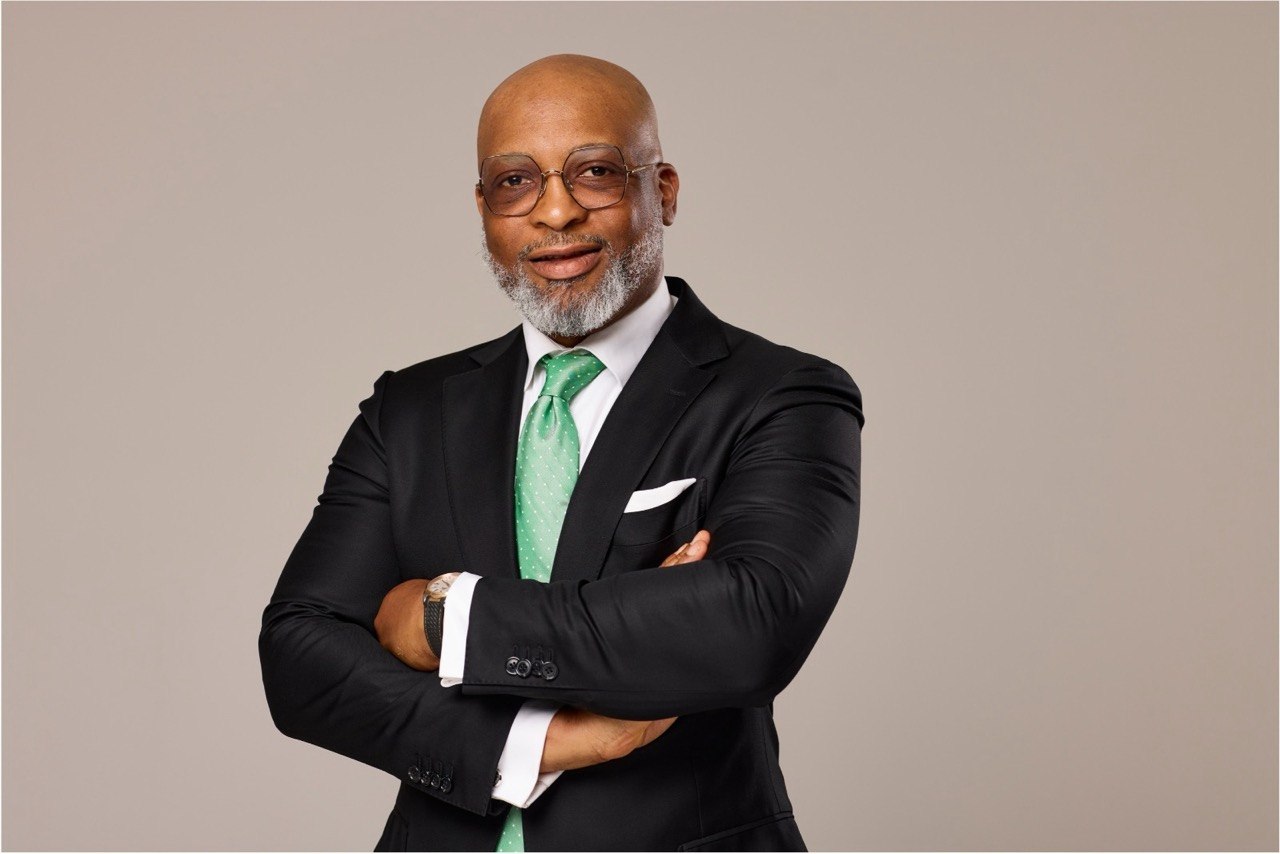
Labour Party governorship candidate in Lagos State, Rotimi Odunaike, has declared that improving the quality of life of residents will be the defining priority of his administration, arguing that governance should ultimately be measured by how people live, work and move around the state.
Odunaike made the remarks while speaking on Daily Digest with Jimi Disu on Nigeria Info, where he said his decision to contest the 2027 governorship election was inspired by his lifelong connection to Lagos and his concern over what he described as the steady decline in residents’ everyday living conditions.
“Lagos raised me,” he said, reflecting on his childhood in the state before spending part of his professional career abroad.
According to him, the Lagos he grew up in was not without challenges, but it offered a better quality of life than many residents experience today.

He said his focus was not on headline economic figures but on the daily realities confronting ordinary Lagosians.
“When I look at the state of things and the quality of life, I’m not talking about numbers and I’m not talking about statistics. I’m talking about the impact to Lagosians on their quality of life,” he said.
Using his journey to the radio station as an example, Odunaike said he left his home in Ikeja before 7 a.m. but still spent about an hour getting to the studio.
“That is not living. That is surviving. It’s not even thriving,” he added.
The Labour Party candidate argued that mobility should be treated as a quality-of-life issue rather than merely a transport challenge, saying efficient movement across Lagos would expand access to jobs, businesses and economic opportunities.
He also linked poor infrastructure and environmental challenges to the struggles of informal-sector workers, particularly traders whose businesses are often disrupted by flooding and other urban problems.
According to Odunaike, Lagos should demonstrate its reputation as the “Centre of Excellence” through the actual delivery of quality governance, improved mobility, affordable housing, a stronger economy and better public services.
Rather than centring his campaign on personalities, he said his ambition is to present a people-focused vision for Lagos built on values, service and leadership.
Reflecting on his upbringing, Odunaike credited the discipline instilled by his mother, a Nigerian Army officer, and his years in military schools for shaping his understanding of public service.
He argued that strong values remain the foundation of effective leadership, adding that although people may face challenges that test their principles, a deeply rooted value system ultimately guides them back to their core.
“At the end of the day, it is about them,” he said, referring to the people of Lagos.


