


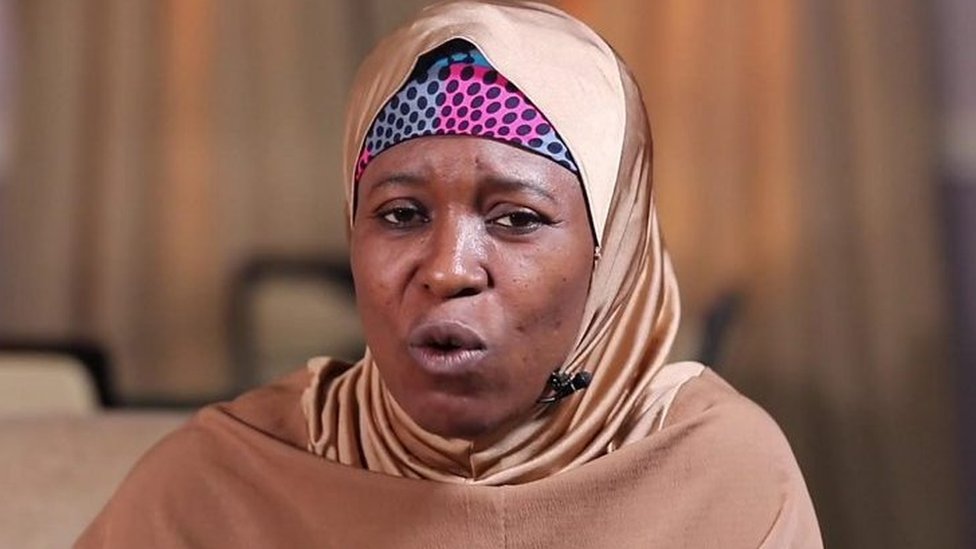
Aisha Yesufu urges Nigerians to reject APC, linking the party to insecurity and calling for increased voter participation ahead of 2027 elections
Human rights activist and former senatorial aspirant in the Federal Capital Territory under the Nigeria Democratic Congress (NDC), Aisha Yesufu, on Sunday, 5 July 2026, called on Nigerians to take a more active role in the country’s electoral process while criticising the ruling All Progressives Congress (APC) over the worsening security situation.
Also read: Jonathan Denies N500bn Offer to Run Against Peter Obi
Yesufu made the remarks via her verified X account, responding to ongoing national concerns over attacks, kidnappings and violent incidents reported in several regions of the country.
She urged eligible citizens to obtain their Permanent Voter Cards (PVCs), stressing that civic participation remains the most effective way to influence governance and demand accountability from leaders ahead of the 2027 general elections.
“Any vote for APC is vote for these terrorists to continue what they are doing,” she wrote, linking her criticism to what she described as persistent insecurity affecting communities nationwide.

The statement adds to a growing wave of political commentary ahead of the 2027 elections, where security, economic pressure and governance performance are expected to dominate national debate.
Yesufu, a prominent figure in the BringBackOurGirls advocacy movement, has remained one of the most vocal public commentators on issues of insecurity and government accountability in recent years.
Her latest remarks come amid continued public concern over attacks in various parts of the country, with security agencies maintaining counter-insurgency and anti-crime operations.
Analysts say such interventions from civic voices are likely to intensify as political alignment and voter mobilisation efforts increase in the build-up to the next election cycle.
Also read: Jonathan Denies N500bn Offer to Run Against Peter Obi
Yesufu maintained that stronger voter participation, particularly among young Nigerians, could play a decisive role in shaping national leadership and improving governance outcomes.


