


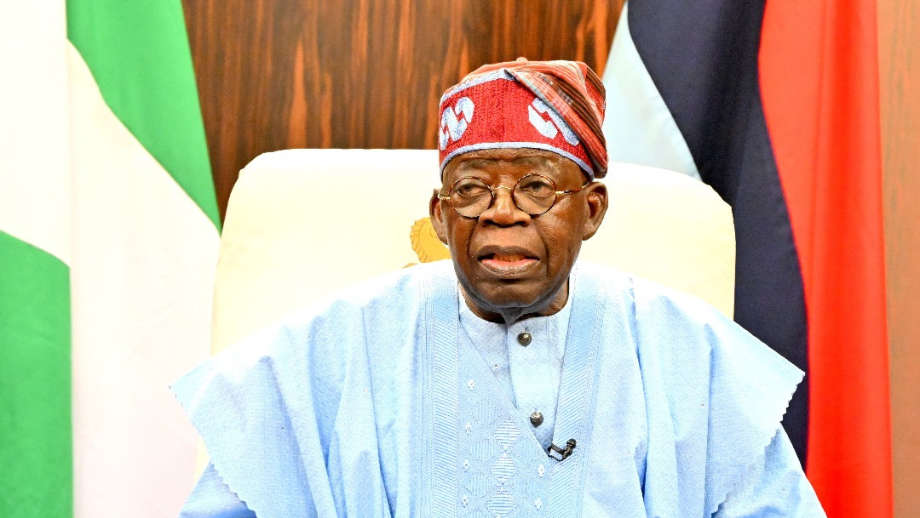
Tinubu cost of living plans focus on cheaper production, farming, transport and infrastructure as Nigeria marks its 66th Independence Day
President Bola Ahmed Tinubu has pledged to reduce the cost of living for Nigerians, saying his administration will focus on lowering production and transportation costs as the country marks its 66th Independence Anniversary.
Also read: Wike Vows to Resign if Tinubu Loses FCT, Rivers
President Bola Ahmed Tinubu made the commitment on Thursday during his nationwide Independence Day address, outlining agriculture, infrastructure and industrial production as key parts of his government’s next phase of economic policy.
“Our priority is to bring down the cost of living. We will achieve this by lowering the cost of producing and moving the things Nigerians consume,” Tinubu said.

The promise comes as households across Nigeria continue to contend with elevated food, transport and other living costs, making affordability one of the most closely watched issues in the country’s economic debate.
Tinubu said Nigeria had the land and human resources needed to produce enough food for its population.
He said his administration would therefore expand mechanised irrigation and dry-season farming while improving farmers’ access to seeds and fertiliser.
The President also pledged to increase agricultural mechanisation and invest in storage and transportation in an effort to reduce losses between farms and markets.
The administration’s approach, according to Tinubu, is based on the expectation that reducing costs throughout the production chain will eventually affect prices paid by consumers.
“When a farmer produces more cheaply, when fewer crops are lost between the farm and the market, when a manufacturer spends less on electricity, when a truck reaches its destination faster, and when the business environment fosters fair competition, all those savings will ultimately find their way into the price of goods in the market,” he said.
Infrastructure forms another part of the strategy.
Tinubu said the Federal Government was building and completing roads, railways and ports intended to improve connections between farms, factories and markets.
The government expects more efficient transport infrastructure to reduce the cost and time involved in moving agricultural produce and manufactured goods across the country.
The President also linked lower living costs to increased domestic production and employment.
“But prosperity requires more than cheaper goods. It requires productive work,” Tinubu said.
His remarks marked a shift in emphasis from the difficult economic reforms introduced during the first years of his administration towards the government’s stated objective of translating those changes into broader economic benefits.
Tinubu said the initial reform period had been necessary to address what he described as long-standing weaknesses in Nigeria’s economy.
The administration removed the petrol subsidy shortly after taking office in May 2023 and subsequently introduced significant changes to the foreign exchange system and other areas of economic management.
Those measures have generated both government claims of improving macroeconomic stability and continued public concern about their impact on household finances.
The Nigeria Labour Congress has, for example, called for lower petrol prices, a nationwide wage award and negotiations for a new national minimum wage, arguing that inflation has eroded workers’ purchasing power.
The labour centre has also questioned whether the savings associated with petrol subsidy reform have translated sufficiently into infrastructure and social services.
Tinubu’s Independence Day message offered a different emphasis, with the President arguing that the difficult phase of economic adjustment had passed and that government policy would now focus more directly on prosperity, employment and living standards.
The President said the government’s objective was not simply to achieve stronger economic statistics but to create tangible improvements in the daily lives of Nigerians.
That includes making food and transport more affordable, supporting businesses, improving access to finance and creating productive employment opportunities for young Nigerians.
For households facing high prices, the effectiveness of that approach will ultimately depend on whether lower production and distribution costs translate into sustained reductions in consumer prices.
Tinubu’s pledge therefore places cost of living at the centre of the next stage of his administration’s economic agenda.
As Nigeria marks 66 years of independence, the President has presented increased domestic production, better infrastructure and job creation as the route towards a more affordable economy.
Also read: Wike Vows to Resign if Tinubu Loses FCT, Rivers
The challenge now is turning those commitments into measurable improvements for households and businesses across the country.


